
The Public Relations Society of the Philippines (PRSP) recently announced its new Board of Trustees for 2026–2027, ushering in a new chapter of Philippine PR leaders for their term.
Leading the organization as president is Ana Pista, APR, the founder and CEO of Ardent Communications and the CEO of the AI Centre of Excellence (ACE). She previously served as vice president for internal affairs of PRSP and chairperson of the 61st ANVIL Awards, which concluded last January 28, 2026.
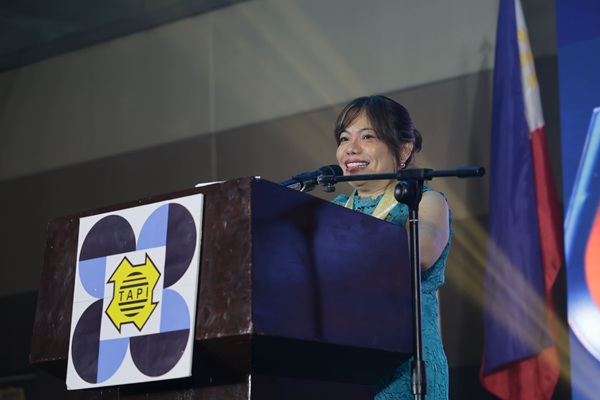
Representing the organization, Pista delivered her first speech as president as one of the keynote speakers at the Department of Science and Technology’s (DOST) Ad Meliora: Igniting the Narrative: A Celebration of Innovation Stories. Guided by the Ad Meliora theme, “Toward Better Things Delivered,” DOST’s anniversary underscores the agency’s enduring role as a mentor, enabler and bridge for Filipino innovators, partners and institutions working to turn ideas into real-world solutions.
Key program speakers also included Hon. Maridon Sahagun (DOST undersecretary for scientific and technical services), Hon. Renato Solidum Jr. (DOST secretary), Mr. Robbie Aligada (executive director, Ad Standards Council), Atty. Marion Ivy Decena (director, DOST–TAPI) and Asec. Napoleon K. Juanillo Jr. (DOST assistant secretary for technology transfer, communications and commercialization).
Pista’s lecture, titled Strategic Public Relations in Advancing Government Programs, focused on being stewards in a complex information age, supporting DOST’s goal of empowering Filipino innovators and public servants.
PRSP’s thrust as an organization this 2026 is “Steward the Story,” a mission dedicated to its role as a steward of responsible communication and excellence. According to Pista, the organization is moving away from being “mere narrators” and toward becoming “ethical stewards.”

The four pillars of stewardship
Pista elaborated on the current communications landscape — one marked by unpredictability, competing narratives and fragile trust.
“In a world where 70% of web content is now AI-generated and misinformation travels faster than the truth, our responsibility is no longer just to respond — it is to prepare,” Pista emphasized. “Strategic PR means moving from reaction to relationship. From damage control to trust-building. It means ensuring transparency before the storm hits, not after.”
She highlighted four core pillars of stewardship for PR and communications professionals to be guided by in their service to the people:
- Steward the system through digital integrity: PR practitioners are primary guardians of the digital ecosystem. Digital spaces should be inclusive and model how responsible organizations communicate. Success is measured through website accessibility compliance, crisis response time to misinformation, database integrity and engagement rates on ethical content.
- Steward the structure through internal culture: The internal story dictates external impact. Members will be equipped with cutting-edge skills and mentorship, ensuring that every PRSP practitioner becomes an authentic ambassador of the organization’s mission.
- Steward the society through purpose-driven PR: The profession must move beyond “photo-op charity.” The goal is to use communication skills to help marginalized communities reclaim their own narratives — providing tools while allowing communities to own their stories.
- Steward the narrative through governance: Communication strategy must be embedded directly into the policymaking process, ensuring transparency is foundational rather than an afterthought. Formal frameworks should institutionalize ethical storytelling and accountability, aligning government action with the public’s right to know.
According to Pista, these pillars will help bridge the gap between governance and grassroots communication, reinforcing public trust.

Leading the charge forward
To conclude her keynote, Pista addressed rapidly advancing PR tools, including artificial intelligence (AI). The Philippine government’s stance on AI is gradually shifting toward proactive, ethical regulation that encourages innovation while managing risks.
According to the Philippine Information Agency (PIA), the government is laying the groundwork and guidelines for AI use locally, signaling a more structured approach to emerging technology.
With AI being adopted both locally and internationally, Pista argued that it is no longer optional but inevitable. Peers across the globe are already using the technology to create greater impact in their industries and communities.
“Let us stop just ‘managing’ reputations and start stewarding them. Let’s make sure our narratives aren’t just loud — let’s make sure they are true,” Pista concluded. “Because when we protect the health of the story, we protect the heart of our society.”
READ MORE SPECIAL FEATURES.